
Table of Contents
The First few balls are about information
How a Bowler sets up a Batter without them realising?, Cricket is often called a game of skill and speed, but at its highest level, it is a game of mind tricks. We can see a wicket from our televisions and simply call it an “accident” or think it is due to brute force. While, in reality the bowler took 3-4 deliveries to build a silent-trap. By the time the batter realizes what is happening, their stumps are already knocked over. This trap is the most unheard yet powerful one. No-one talks about it that much but here we are with the name of the secret strategy… “setting up a batter.”.How a Bowler sets up a Batter without them realising?
Repetition is part of the trap
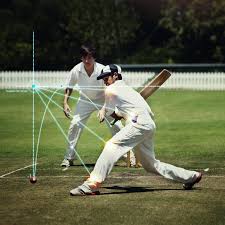
First, The bowler delivers the next 2-3 balls in the exact same length, speed and time. Making the batter comfortable or feel safe. Then, after building up a predictable and comfortable environment, the bowler will change the ball’s length and speed without letting them guess. Which will catch them off-guard and leaves no time to adjust according to the delivery. Which automatically leads to an edge, an LBW or getting bowled.
Changing the Length at the Right Moment
A batter can be prepared for a certain type of delivery, but the moment that length changes, their entire shot selection can change with it. A bowler doesn’t always need a completely new variation to trouble a batter; sometimes, simply changing the length at the right moment is enough. A good-length delivery can keep a batter uncertain about whether to move forward or stay back. A fuller ball may invite the batter to drive, while a shorter delivery can force them onto the back foot. The real skill lies in knowing when to make that change. If a bowler repeatedly bowls in the same area, the batter gradually starts anticipating that length. This creates an opportunity for the bowler to break the pattern. After several similar deliveries, an unexpected change in length can force the batter into a shot they weren’t prepared to play. The change itself may be simple, but the timing of that change is what makes it dangerous.
3 Simple tricks for it
Outside to Inside: Bowlers throw 4 balls wide outside the off-stump. The batter gets used to reaching out to hit them. Ball 5 is thrown in the same spot, but it suddenly curves inward toward the stumps, catching the batter off guard.
Push Back, Then Strike: The bowler fires a couple of fast, high bouncers at the batter’s chest. The batter gets scared and shifts their weight backward to stay safe. Immediately after, the bowler throws a low, full ball at their feet (a yorker). Since the batter’s feet are stuck on the back foot, they can’t defend in time.
The Flight Trap (For Spinners): A spinner bowls a few fast, flat deliveries that stay low. Then, they throw a slower ball high in the air with lots of spin. The batter tries to smash it early, misjudges the bounce, and hits an easy catch.The final ball takes the wicket. The plan takes the batter.
Niranjan Shah Stadium (Saurashtra Cricket Association Stadium)